
The Effects of War on Interest Rates and Economic Stability

Wars have a profound impact on economies worldwide, influencing everything from government spending to consumer confidence. One of the most significant economic factors affected by war is interest rates. Understanding how wars shape interest rates helps explain broader economic shifts and the challenges nations face during and after conflicts.
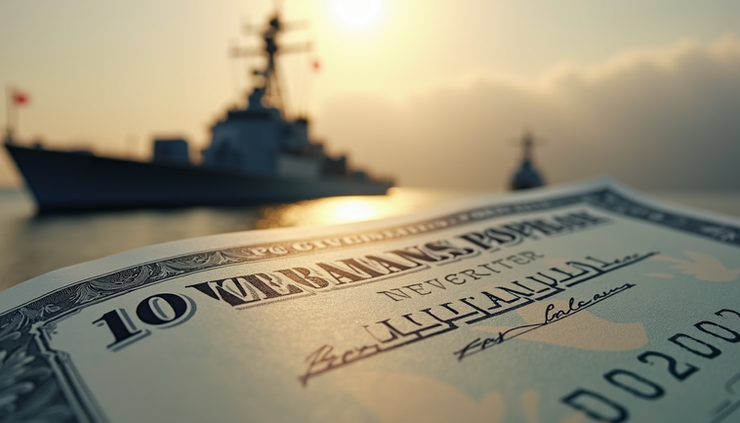
How War Changes Government Spending and Borrowing
Wars require massive government expenditures. Military operations, equipment, personnel, and reconstruction efforts demand large sums of money. Since governments rarely have enough cash reserves, they turn to borrowing, often by issuing bonds.
Increased borrowing puts upward pressure on interest rates. When a government issues more bonds, it competes with private borrowers for funds.
Investors demand higher returns to compensate for the increased risk and inflation expectations during wartime.
Central banks may respond by raising rates to control inflation or lowering them to support government borrowing, depending on the situation.
For example, during World War II, the United States dramatically increased its borrowing to finance the war effort. The government issued war bonds to the public, and the Federal Reserve kept interest rates low to help fund the war. However, after the war, inflation rose, and interest rates increased to stabilize the economy.
Inflation and Its Role in Interest Rate Fluctuations
Wars often disrupt supply chains and reduce production capacity, leading to shortages of goods and services. This scarcity drives prices up, causing inflation.
Inflation reduces the real return on bonds and loans, prompting lenders to demand higher nominal interest rates.
Central banks may raise interest rates to curb inflation, which can slow economic growth but stabilize prices.
Conversely, if inflation expectations are low, interest rates might remain stable or even decrease.
During the Vietnam War, the U.S. experienced rising inflation partly due to increased military spending and economic strain. The Federal Reserve raised interest rates in the late 1960s and early 1970s to combat inflation, which contributed to economic challenges in that period.
Investor Behavior and Risk Perception During Wars
Wars increase uncertainty and risk in financial markets. Investors become more cautious, affecting interest rates in several ways:
Demand for safe assets like government bonds often rises, pushing bond prices up and yields (interest rates) down.
However, if investors fear government default or economic collapse, they may demand higher interest rates to compensate for risk.
The balance between these forces depends on the war's scale, location, and perceived economic impact.
For instance, during the Gulf War in 1990-1991, investors initially sought safety in U.S. Treasury bonds, lowering interest rates. As the conflict stabilized, rates adjusted to reflect reduced uncertainty.
Central Bank Policies and War-Time Interest Rates
Central banks play a critical role in managing interest rates during wars. Their policies can either support government financing or focus on controlling inflation and maintaining economic stability.
Some central banks may keep interest rates low to help governments finance military spending.
Others may prioritize inflation control, raising rates even during conflict.
Central banks also use tools like quantitative easing or reserve requirements to influence money supply and interest rates.
The Bank of England during World War I kept interest rates low to support war financing but faced inflation and economic difficulties afterward. This example shows the delicate balance central banks must maintain.
Long-Term Economic Effects of War on Interest Rates
Wars can leave lasting marks on a country's economy and interest rate environment:
Post-war reconstruction often requires continued government borrowing, keeping interest rates elevated.
War debts can limit fiscal flexibility, influencing monetary policy for years.
Economic growth may slow due to destroyed infrastructure and reduced labor force, affecting interest rate trends.
After World War II, many European countries faced high debt levels and inflation, leading to fluctuating interest rates during recovery. The Marshall Plan helped stabilize economies and interest rates by providing financial aid.
Case Study: Interest Rates in the United States During Major Wars
Examining U.S. interest rates during major conflicts illustrates these dynamics:
| War | Interest Rate Trend | Key Factors |
|-------------------|---------------------------------|-------------------------------------------------|
| Civil War (1861-65)| Sharp rise due to borrowing | Massive government debt, inflation concerns |
| World War I (1914-18) | Low rates initially, then rise | War financing, inflation, post-war recession |
| World War II (1939-45) | Low rates maintained | Federal Reserve support, war bonds issuance |
| Vietnam War (1955-75) | Rising rates | Inflation, economic strain |
| Gulf War (1990-91) | Temporary dip, then normalization| Investor flight to safety, conflict resolution |
This table shows how interest rates respond differently depending on war context and economic conditions.
How War Impacts Economic Stability Beyond Interest Rates
Interest rates are just one piece of the economic puzzle during wars. Other factors include:
Currency value fluctuations: Wars can weaken currencies due to economic uncertainty.
Trade disruptions: Blockades or sanctions reduce trade, affecting growth.
Labor market shifts: Military drafts and casualties reduce workforce size.
Consumer confidence: Uncertainty lowers spending and investment.
These elements interact with interest rates, shaping overall economic stability.
Preparing for War-Related Economic Shocks
Governments and investors can take steps to manage the economic impact of wars:
Diversify investments to reduce risk from interest rate volatility.
Maintain fiscal discipline to avoid unsustainable debt levels.
Strengthen monetary policy frameworks to respond flexibly to inflation and growth changes.
Invest in economic resilience through infrastructure and social programs.
Understanding the relationship between war and interest rates helps policymakers and market participants make informed decisions.


Comments